
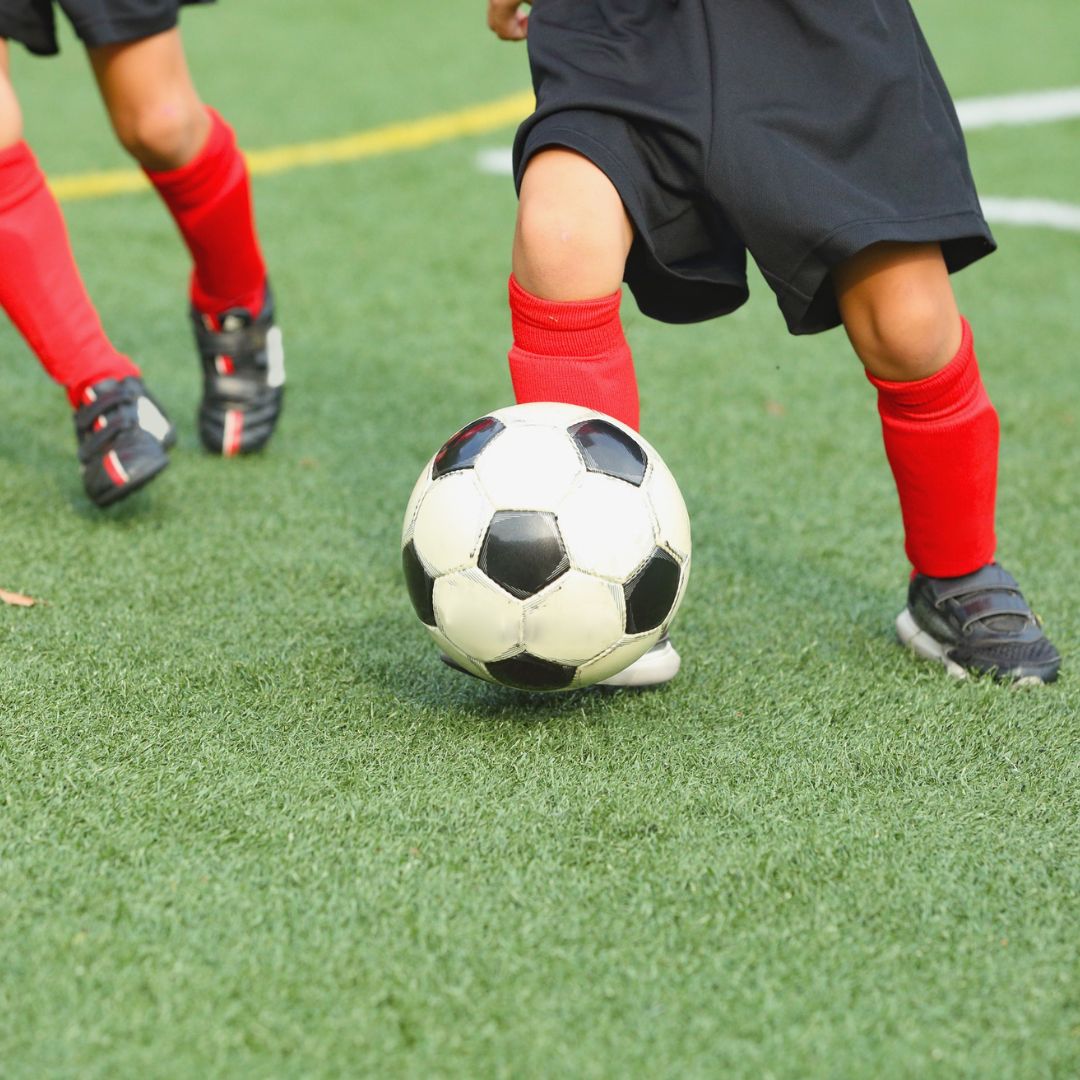
Watching your child excel in their favorite sport brings incredible joy. Hearing them complain about severe heel pain after a game brings immediate concern. When active children develop sudden, sharp pain in the back of their heels, they might be dealing with a common condition known as Sever’s disease.
Heel pain in growing children requires specific attention. Unlike adults, children have open growth plates in their bones. These growth plates remain vulnerable to stress and inflammation. Sever’s disease specifically targets the growth plate located at the back of the heel.
This guide will explain exactly what Sever’s disease is, when it typically happens, and how to address it. We will also explore the professional treatment options available to help your child get back on the field without pain.
What is Sever’s Disease?
Despite its intimidating name, Sever’s disease is not an actual disease. Medical professionals call it calcaneal apophysitis. It is a painful bone disorder that results from inflammation of the growth plate in the heel.
To understand this condition, you must understand how a child’s foot develops. The heel bone, or calcaneus, relies on a growth plate near the back of the foot to expand and mature. The Achilles tendon, the strongest tendon in the human body, attaches directly to this exact spot on the heel bone.
During early puberty, a child’s bones often grow much faster than their muscles and tendons. As the heel bone lengthens, the surrounding muscles and the Achilles tendon become tight. This tightness pulls constantly on the fragile growth plate at the back of the heel.
When a child runs, jumps, or plays sports, the repetitive impact causes the tight Achilles tendon to pull aggressively on the heel bone. This constant tension irritates the growth plate, leading to swelling, tenderness, and severe pain. The condition remains temporary and stops entirely once the growth plate fuses and the bone finishes growing, but the pain requires active management in the meantime.
When Does Sever’s Disease Happen?
Sever’s disease appears almost exclusively during growth spurts in early puberty. For girls, this typically occurs between the ages of 8 and 10. For boys, it usually happens a bit later, between the ages of 10 and 12.
While growth spurts create the physical conditions for Sever’s disease, physical activity acts as the primary trigger. The condition strikes active children far more often than inactive children.
High-Impact Sports
Sports that involve constant running and jumping place massive stress on the heel. Basketball, gymnastics, track, and dance force the foot to absorb heavy impacts repeatedly. The hard surfaces associated with these sports, such as gym floors and concrete courts, increase the shock sent through the child’s heel.
Cleated Footwear
Soccer, football, and baseball players frequently develop this condition. Cleats present a unique problem because they often lack proper arch support and heel cushioning. The stiff nature of the shoe, combined with the uneven pressure from the studs on the bottom, forces the heel to absorb far more stress than it would in a standard athletic sneaker.
Sudden Increases in Activity
Many children experience flare-ups at the beginning of a new sports season. Going from a relaxed summer break to intensive daily practices shocks the foot. The sudden increase in physical demand overwhelms the tight tendons and the developing growth plate, resulting in rapid inflammation.
Recognizing the Symptoms of Sever’s Disease
Children dealing with this condition will show specific signs. The most prominent symptom is pain or tenderness at the back of one or both heels. The pain usually worsens during physical activity and improves significantly with rest.
You might notice your child limping after a practice or a game. In an attempt to avoid putting pressure on the painful heel, they might start walking on their toes.
The heel might look slightly swollen or red, and it will feel highly sensitive to the touch. A common diagnostic test involves gently squeezing the sides of the back of the heel. If this causes sharp pain, Sever’s disease is the highly likely culprit. Children also frequently complain about heel stiffness when they first wake up in the morning.
How to Address the Pain at Home
When the pain flares up, immediate home care can provide temporary relief. The goal is to reduce inflammation and take pressure off the Achilles tendon.
First, mandate immediate rest. Your child needs to take a break from the sports or activities causing the pain. Pushing through the pain will only cause further irritation to the growth plate.
Apply ice to the affected heel for 15 to 20 minutes at a time, up to three times a day. Wrap the ice pack in a thin towel to protect the skin. Ice therapy dramatically reduces swelling and numbs the sharp pain.
Avoid letting your child walk barefoot, even inside the house. Barefoot walking forces the heel to stretch entirely flat, which pulls on the Achilles tendon. Wearing supportive sneakers around the house keeps the heel slightly elevated and protected.
Professional Treatment and Long-Term Solutions
While home remedies manage temporary flare-ups, resolving the root mechanics of the issue requires specialized pediatric foot care. Leaving the condition untreated can lead to worsening pain and extended time away from favorite activities.
Patients experiencing this type of pain should schedule an appointment with Dr. Bradley Herbst at Podiatry Associates of Florida, San Jose Boulevard Division. Dr. Herbst specializes in diagnosing pediatric foot conditions and creating customized treatment plans that address your child’s specific anatomy and lifestyle.
Depending on the severity of the inflammation and your child’s foot structure, treatment can include a variety of different things:
Custom Inserts and Orthotics
Many children have flat feet or high arches that exacerbate the strain on the heel. Dr. Herbst can design custom orthotic inserts that fit perfectly inside your child’s athletic shoes. These custom inserts correct the alignment of the foot, provide crucial arch support, and stabilize the heel during intense movement.
Heel Lifts
In some cases, a simple prescription heel lift placed in the shoe provides immediate relief. By elevating the heel slightly, the lift reduces the tension on the Achilles tendon, preventing it from pulling harshly against the growth plate.
Physical Therapy
Targeted physical therapy plays a massive role in recovery. A structured physical therapy program focuses on safely stretching the tight calf muscles and the Achilles tendon. As these muscles become more flexible, they place far less stress on the heel bone. Physical therapy also strengthens the surrounding muscles in the leg, creating better overall support for the foot.
Temporary Immobilization
For highly severe cases where the child experiences extreme pain even while walking normally, a short period of immobilization might be necessary. Using a walking boot for a few weeks gives the growth plate complete rest, allowing severe inflammation to finally subside.
Keep Your Child Moving Comfortably
Sever’s disease can feel frustrating for an active child who just wants to play. With the right care, they do not have to endure constant pain or sit on the sidelines for long. Early intervention ensures a faster recovery and prevents the condition from disrupting their entire sports season.
Take the first step toward lasting relief. Schedule a comprehensive evaluation with Dr. Bradley Herbst at Podiatry Associates of Florida, San Jose Boulevard Division. Our team will assess your child’s symptoms, evaluate their footwear, and provide the exact treatments needed to heal their heels.
Visit www.HerbstPodiatry.com today to learn more about our pediatric podiatry services and to book your appointment.